



Athletes spend countless hours improving their strength, endurance, and performance. They invest in better equipment, advanced training methods, and specialized nutrition plans. Yet one critical aspect of performance is often overlooked: eye protection.
Most athletes understand the importance of protecting their skin from the sun. However, far fewer realize that prolonged exposure to ultraviolet (UV) radiation can have serious consequences for eye health and visual performance.
Whether you’re cycling through mountain roads, running under direct sunlight, or training outdoors for extended periods, your eyes are constantly exposed to UV rays.
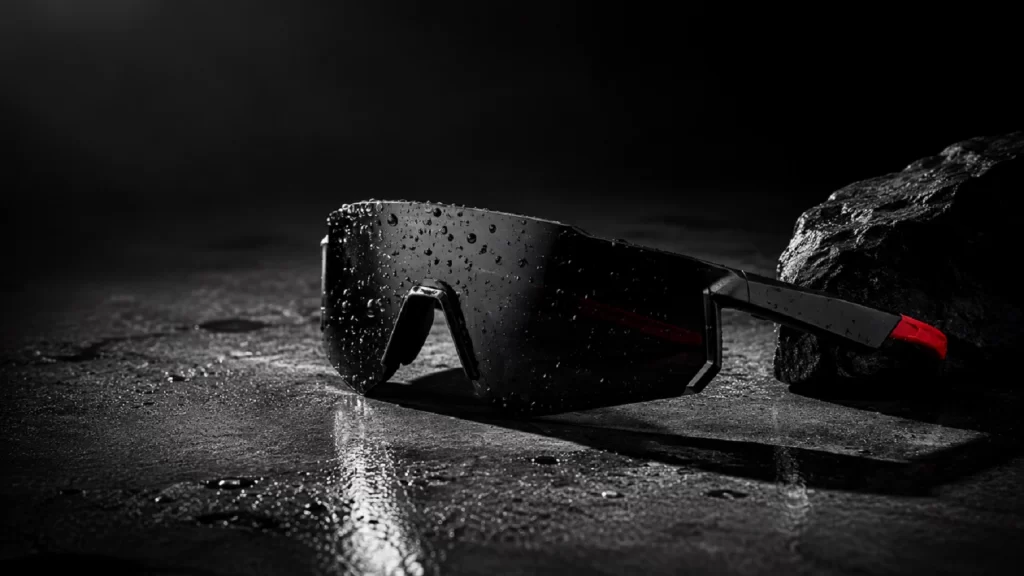
High-performance sports sunglasses are more than a fashion accessory. They are an essential piece of protective equipment designed to preserve vision, improve comfort, and support athletic performance.
This guide explores the dangers of UV exposure and explains why every serious athlete should prioritize proper eye protection.
Understanding UV Radiation
Ultraviolet radiation is an invisible form of energy produced by the sun.
There are three primary types of UV rays:
UVA Rays
UVA rays penetrate deeply into eye tissues and are present throughout the day, regardless of weather conditions.
Long-term exposure may contribute to:
- Premature aging of eye tissues
- Retinal damage
- Chronic eye strain
UVB Rays
UVB rays are more intense and can cause direct damage to the outer structures of the eye.
Excessive exposure may increase the risk of:
- Photokeratitis
- Corneal damage
- Cataracts
UVC Rays
Most UVC radiation is filtered by Earth’s atmosphere and generally does not reach the surface.
For athletes, the greatest concerns are UVA and UVB exposure.
Why Athletes Face Greater UV Risks
Athletes typically spend more time outdoors than the average person.
This means they accumulate significantly higher UV exposure throughout the year.
Certain sports increase the risk even further.
Cycling
Cyclists often spend several hours exposed to direct sunlight during training sessions and races.
Road surfaces can reflect sunlight upward, increasing UV exposure.
Running
Distance runners may train daily under bright conditions, particularly during morning and afternoon sessions.
Trail Sports
Mountain runners, hikers, and outdoor adventurers face additional exposure due to altitude.
UV intensity increases as elevation rises.
Water Sports
Water reflects sunlight, creating additional glare and increasing UV exposure.
The Performance Impact of UV Exposure
Many athletes focus solely on long-term eye health, but UV exposure also affects immediate performance.
Reduced Visual Comfort
Bright sunlight forces the eyes to constantly adjust.
This can create:
- Squinting
- Discomfort
- Reduced concentration
- Visual fatigue
These distractions may seem minor, but over long training sessions they can significantly impact performance.
Increased Eye Fatigue
The harder your eyes work, the faster they become tired.
Eye fatigue can contribute to:
- Reduced focus
- Slower reaction times
- Lower visual accuracy
For competitive athletes, these factors matter.
Clear, relaxed vision helps maintain peak performance.
Impaired Contrast Perception
Without proper protection, intense sunlight can reduce contrast and visual detail.
Athletes may struggle to identify:
- Road hazards
- Terrain changes
- Obstacles
- Surface conditions
Improved visual contrast often leads to faster decisions and greater confidence.
Common Eye Conditions Linked to UV Exposure
Photokeratitis
Often referred to as “sunburn of the eye,” photokeratitis can occur after intense UV exposure.
Symptoms may include:
- Pain
- Redness
- Sensitivity to light
- Temporary vision disturbances
Cataracts
Research has linked long-term UV exposure to an increased risk of cataracts.
Cataracts gradually cloud the eye’s natural lens and can affect vision quality.
Macular Damage
Prolonged exposure may contribute to retinal stress and damage over time.
Protecting the eyes today helps preserve vision in the future.
What Makes UV Protection Sports Sunglasses Different?
Not all sunglasses offer the same level of protection.
Athletes should look for eyewear specifically designed for outdoor performance.
100% UVA and UVB Protection
The most important feature is complete protection against both UVA and UVB radiation.
Look for:
- UV400 protection
- Certified UV-blocking lenses
Large Coverage Area
Wraparound designs help reduce exposure from the sides and improve overall protection.
Impact Resistance
Sports environments demand durable lenses capable of handling unexpected impacts.
Lightweight Comfort
Long training sessions require frames that remain comfortable throughout the day.
Why Lens Technology Matters
Modern sports eyewear has evolved far beyond simple dark lenses.
Advanced lens technologies can provide:
- Enhanced contrast
- Reduced glare
- Improved clarity
- Better depth perception
These benefits help athletes perform confidently in changing conditions.
Choosing the Right Sports Sunglasses
When selecting sports eyewear, prioritize performance rather than appearance alone.
Ask yourself:
- Will I use them for cycling?
- Do I run in bright conditions?
- Am I exposed to high-altitude sunlight?
- Do I need maximum protection during long outdoor sessions?
The right sports sunglasses should become a natural extension of your training equipment.
The MadMax Philosophy: Performance Through Protection
At MadMax, performance begins with vision.
Athletes cannot perform at their highest level if environmental conditions compromise focus and clarity.
Every outdoor challenge demands:
- Confidence
- Precision
- Awareness
- Endurance
MadMax sports eyewear is designed to help athletes maintain all four.
Inspired by the relentless focus of a predator, MadMax combines advanced protection with aggressive performance design.
The result is eyewear built for individuals who refuse to compromise.
Final Thoughts
UV radiation is an invisible threat that many athletes underestimate.
While its effects may not be immediately noticeable, long-term exposure can impact both eye health and athletic performance.
High-quality UV protection sports sunglasses help reduce fatigue, improve comfort, enhance visibility, and safeguard vision for years to come.
For athletes who spend time outdoors, eye protection is not optional.
It is part of the performance equation.
Protect your vision. Improve your focus. Perform without limits.